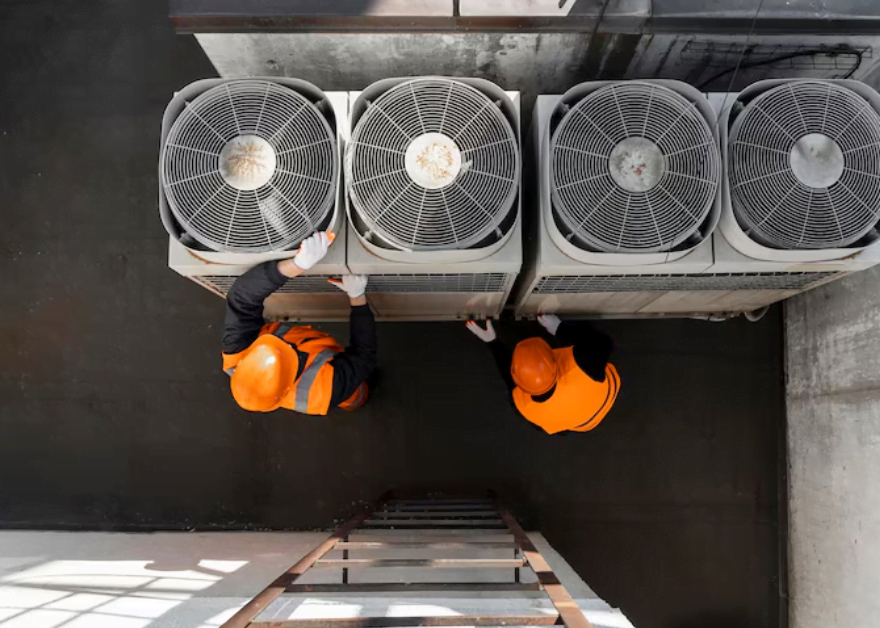
Chiller Maintenance
Regular maintenance of chiller systems is crucial for improving energy efficiency and extending their lifespan. A chiller is the heart of a building’s HVAC system—if this heart isn’t healthy, the entire system suffers. A poorly maintained chiller leads to higher energy costs and reduced comfort. So, why is chiller maintenance so important? Here are a few reasons:
- Energy Savings: Regular maintenance reduces energy consumption.
- Longevity: Proper maintenance extends the lifespan of the chiller.
- Performance Improvement: A well-maintained chiller provides better cooling performance.
This article will discuss the importance of chiller maintenance and the methods used in the process. It will cover essential details such as filter cleaning and refrigerant inspection. Remember—the better your chiller is maintained, the longer it will operate smoothly. Without proper care, system failure is inevitable. Therefore, chiller maintenance should never be neglected.
Importance of Chiller Maintenance
Regular chiller system maintenance not only ensures energy savings but also enhances system performance. Just like a car requires regular service, chillers do too. Without maintenance, efficiency decreases, leading to higher energy costs. Why does this matter? Here are some key reasons:
- Energy Efficiency: Proper maintenance reduces energy consumption.
- Longevity: Regular maintenance extends the lifespan of the system.
- Improved Performance: Maintenance keeps the system running more efficiently.
Many people view maintenance as an expense, but in the long run, it’s actually an investment. Remember! Neglecting maintenance can lead to serious issues. A small malfunction can grow into a costly breakdown over time.
Maintaining chiller systems is not just a technical necessity—it’s also critical for business sustainability. High energy costs and system failures directly impact profits. Therefore, regular maintenance strengthens a company’s competitiveness.
In conclusion, the importance of chiller maintenance is reflected in improved efficiency, extended lifespan, and better performance. Neglecting maintenance affects not only the system but the entire business. Don’t overlook your chillers!
Maintenance Processes
Chiller systems must undergo regular maintenance to operate efficiently. These processes save energy and prolong system life. So, what are the key maintenance steps? Here are some crucial ones:
First, let’s start with filter cleaning. Filters play a vital role in system health. Dirty filters block airflow and increase energy use. Regular cleaning boosts efficiency, and cleaning methods vary by filter type.
Important points when cleaning filters include:
- Use cleaning materials suitable for the filter type.
- Adjust cleaning frequency based on seasonal changes.
- Don’t hesitate to replace filters when necessary.
Another key process is refrigerant inspection. The refrigerant’s level and quality are essential for system performance. Low levels cause overheating, which reduces efficiency and shortens equipment life. Therefore, refrigerant levels must be checked regularly and refilled or replaced when needed.
In short, chiller maintenance processes are not just obligations—they’re vital steps for efficiency. Regular maintenance prevents major issues, saves energy, and extends system lifespan.
Filter Cleaning
is a crucial step for maintaining chiller efficiency. Just as clean water is vital for a plant’s growth, clean filters are essential for an efficient chiller. Dirty filters reduce performance and increase energy use, so regular cleaning is necessary.
Filter cleaning not only saves energy but also extends system life. Dirty filters obstruct refrigerant flow, causing overheating and potential failure. Here are some practical cleaning tips:
- Check Filters: Inspect monthly and replace dirty or clogged filters immediately.
- Cleaning Frequency: Clean filters at least every three months.
- Proper Cleaning Methods: Use water and mild detergent—never abrasive materials.
There are different filter types, each with unique properties and uses:
| Filter Type | Description |
|---|---|
| HEPA Filter | Catches small particles and provides high efficiency. |
| Carbon Filter | Absorbs odors and gases effectively. |
| Washable Filter | Durable and reusable, offering long-term use. |
Ultimately, filter cleaning is a key step in improving your chiller’s performance. Regular care saves energy, extends lifespan, and benefits both your budget and the environment.
Filter Types
Filters used in chiller systems are vital for efficiency. Different filter types meet different needs, and understanding their functions makes maintenance easier.
Common filter types in chillers include:
- Air Filters: Keep air intake clean by trapping dust and debris, improving energy efficiency.
- Oil Filters: Maintain refrigerant quality by filtering contaminants in the oil.
- Water Filters: Used in water systems to improve quality and extend system life.
Each type serves a unique purpose—air filters prevent external contaminants, oil filters ensure clean refrigerant flow, and water filters protect the system from impurities. Regular checks and replacements enhance performance and prevent breakdowns. Remember: clean filters equal better performance.
Cleaning Methods
Filter cleaning is essential for maintaining chiller efficiency. But how is it done properly? Begin with regular inspections—monthly checks are ideal. Dirty filters harm system performance.
Common cleaning methods include:
- Rinsing with Water: Removes most dirt and dust. Allow filters to dry completely before reinstalling.
- Chemical Cleaning: For heavily soiled filters, use special cleaning agents that dissolve dirt and improve efficiency.
- Replacement: If filters are damaged or excessively dirty, replacement is the best option.
When cleaning, follow these safety tips:
- Select cleaning methods suitable for the filter type.
- Avoid damaging filters during cleaning.
- Ensure proper reinstallation after cleaning.
Regular cleaning extends lifespan and saves energy. Using correct methods maximizes performance—always work carefully and seek professional help when needed.
Refrigerant Inspection
Checking the refrigerant level and quality is essential for chiller performance. Low levels lead to overheating, reduced efficiency, and shorter equipment life. Poor-quality or aged refrigerants also hinder performance. Thus, routine inspection is a must.
Follow these steps for effective refrigerant inspection:
- Level Check: Regularly check refrigerant levels. If low, refill with the proper refrigerant type.
- Quality Check: Inspect color and texture—cloudy or dirty refrigerants should be replaced.
- Pressure Check: Monitor system pressure; irregular readings may indicate a fault.
Always take safety precautions when handling refrigerants—use gloves and goggles, as refrigerants can be hazardous. Dispose of used refrigerants responsibly to protect the environment.
In summary, refrigerant inspection is vital for system health, energy efficiency, and longevity. Regular care keeps your chiller running efficiently.
Maintenance Frequency
Regular chiller maintenance is crucial for performance and longevity. But how often should maintenance be done? Seasonal changes affect chiller operation, so increasing maintenance during summer and winter is beneficial.
Generally, chillers should be serviced at least once a year. However, in heavy-use environments, more frequent maintenance is advisable. For example:
- In hot, humid conditions, maintenance should be done every six months.
- Under normal conditions, once a year is sufficient.
Maintenance should cover filter cleaning, refrigerant checks, and general system inspections. Regular maintenance improves efficiency and reduces energy costs.
If you suspect any issues, seek professional assistance. Even minor problems can escalate if ignored. Adjust your maintenance frequency based on system usage and performance.
Seasonal Maintenance
is essential for keeping chillers in good condition. Each season presents unique challenges—heat in summer and cold in winter affect efficiency. Seasonal maintenance enhances performance and extends lifespan.
In summer, focus on filter cleaning and refrigerant level checks to prevent overheating and excess energy use. In winter, prepare for freezing risks by cleaning outdoor units and checking drainage lines.
Seasonal maintenance steps:
- Summer Maintenance: Filter cleaning, refrigerant inspection, outdoor unit cleaning.
- Winter Maintenance: Anti-freeze measures, drainage inspection, indoor unit servicing.
Seasonal maintenance not only boosts efficiency but also brings long-term savings. If you lack the time or expertise, consider hiring a professional technician to ensure optimal system health.
Professional Support
Chiller systems are complex and require expert care. Sometimes, DIY maintenance isn’t enough—this is where professionals come in. Technicians can thoroughly inspect all components and detect issues early, saving both time and money.
Experts do more than just maintenance—they provide performance-enhancing recommendations, such as parts replacement or system adjustments to improve energy efficiency.
Another key benefit of professional support is early problem detection. Small issues can escalate over time, but experts identify them early, preventing costly failures and extending system life.
You should seek professional help if:
- You hear unusual noises from the chiller,
- You notice reduced cooling performance,
- Problems persist despite routine cleaning.
In summary, professional maintenance ensures system health, enhances efficiency, and prevents costly breakdowns. A professional eye always makes a difference!
FAQ (Frequently Asked Questions)
- How often should I service my chiller? Service frequency depends on usage and environmental factors. Generally, professional maintenance is recommended at least twice a year, but more frequent service may be needed for heavy use.
- Why is filter cleaning so important? Filters enhance chiller efficiency and save energy. Dirty filters block airflow, cause overheating, and lead to reduced performance or failures.
- How do I check the refrigerant? Use the system’s inspection window or measuring instruments to check levels. Regular analysis of refrigerant quality ensures healthy system operation.
- When should I seek professional support? If you notice unusual noises, leaks, or performance drops, consult an expert. Technicians can quickly diagnose and fix system issues.